
By Marianna Richardson
– – –
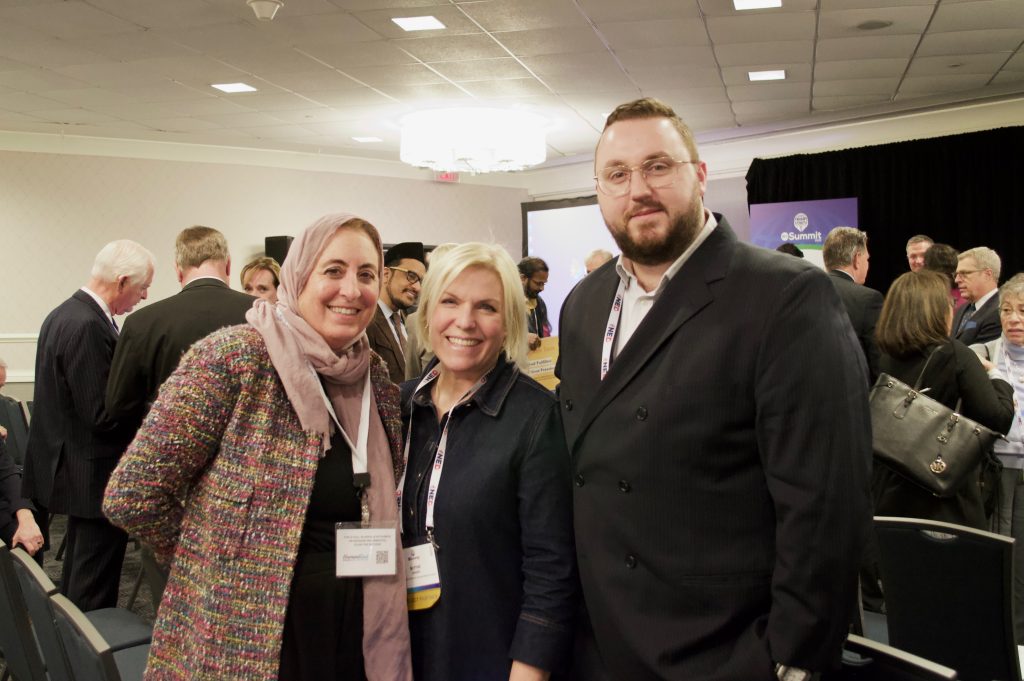
On Tuesday February 3, the G20 Interfaith Forum hosted a side event at the 2026 International Religious Freedom Summit entitled, “Faith, Policy, and the Future: A Cohesive Vision for the G20 Interfaith Forum.” This two-part blog series summarizes that event. Watch the full session here.
Debt Relief, Economic Justice, and the Jubilee Vision
A Moral Tradition Rooted in Shared Faith
One of the Forum’s most compelling themes is the Jubilee tradition—a biblical vision of debt forgiveness, liberation, and restoration. This tradition has inspired modern movements for global debt relief, including the Jubilee 2000 campaign, which secured $130 billion in debt cancellation and enabled millions of children to attend school.
A Renewed Crisis and a Renewed Call
Today, the world faces a similar crisis. The pandemic reversed decades of development progress, pushing more than 200 million people into extreme poverty. Many countries now spend more on debt payments than on health care, education, and social services combined. Faith leaders argue that debt relief must return to the center of the global agenda.
The G20’s Role in Shaping Economic Futures
Because the G20 holds the majority of voting power within the International Monetary Fund, its decisions have profound consequences for the world’s poorest nations. The IF20 is advocating for:
- A global bankruptcy mechanism for sovereign debt
- Greater transparency in private-sector lending
- Policies that prioritize human well-being over financial profit
Debt relief remains one of the few bipartisan issues in the United States, offering a rare opportunity for unified action.
Faith, Compassion, and Global Responsibility: A Muslim Perspective
Advocacy as a Religious Obligation
Imam Mohamed Magid offered a powerful reflection on the moral imperative to care for the vulnerable. Citing Qur’anic teachings, he emphasized that true faith requires advocating for orphans, feeding the hungry, and supporting those in need. His recent work in Sudan—feeding 1,500 people daily—underscored the urgency of global compassion.
The Injustice of Global Inequality
He described the stark divide between the Global North and South, noting that the only difference between a child in Sudan and a child in the United States is the accident of birthplace. With abundant global resources, he argued, there is no justification for ongoing suffering. People of faith must serve as the conscience of the world, calling wealthy nations to act with justice and generosity.
Inclusion, Diversity, and the Complexity of Religious Engagement
Addressing Perceptions and Realities
A former World Bank leader reflected on the challenges of engaging religious communities in development work. Early resistance stemmed from perceptions that religious groups opposed gender equality and other development goals. Yet deeper engagement revealed a rich diversity within religious traditions, including women’s movements and reformist theologians advocating for justice.
Working Where Consensus Exists
The IF20 focuses on areas where broad consensus exists—such as combating human trafficking, addressing debt injustice, and promoting human dignity. On issues where consensus is weaker, the Forum seeks to foster dialogue while acknowledging complexity.
Commitment to Inclusiveness
Responding to questions from the audience, panelists reaffirmed that inclusiveness is a core principle of the IF20. This includes welcoming humanists and others who may not identify with a traditional faith but share commitments to human rights and freedom of belief.
Conclusion: A Call to Collective Action
Bringing the Best of Religion Into Global Agendas
The Forum’s closing reflections emphasized that humanity is living in extraordinary times—marked by unprecedented possibility and profound challenges. Faith communities have the potential to bring moral clarity, compassion, and long-term vision to global policymaking.
Working Together Toward a Just Future
Panelists urged participants to stay engaged, contribute their expertise, and help shape the IF20’s policy frameworks. The world has the resources to end extreme poverty, protect the planet, and ensure that every child has access to education and health care. What remains is the collective will to act.
The G20 Interfaith Forum exists because its members believe that by working together—across traditions, sectors, and nations—humanity can move closer to realizing a world where no one is left behind, where abundance is shared, and where the dignity of every person is honored.
– – –
Marianna Richardson is the Director of Communications for the G20 Interfaith Forum. She is also an adjunct professor at the Marriott School of Business at Brigham Young University.