
By JoAnne Wadsworth, Communications Consultant for the G20 Interfaith Forum
– – –
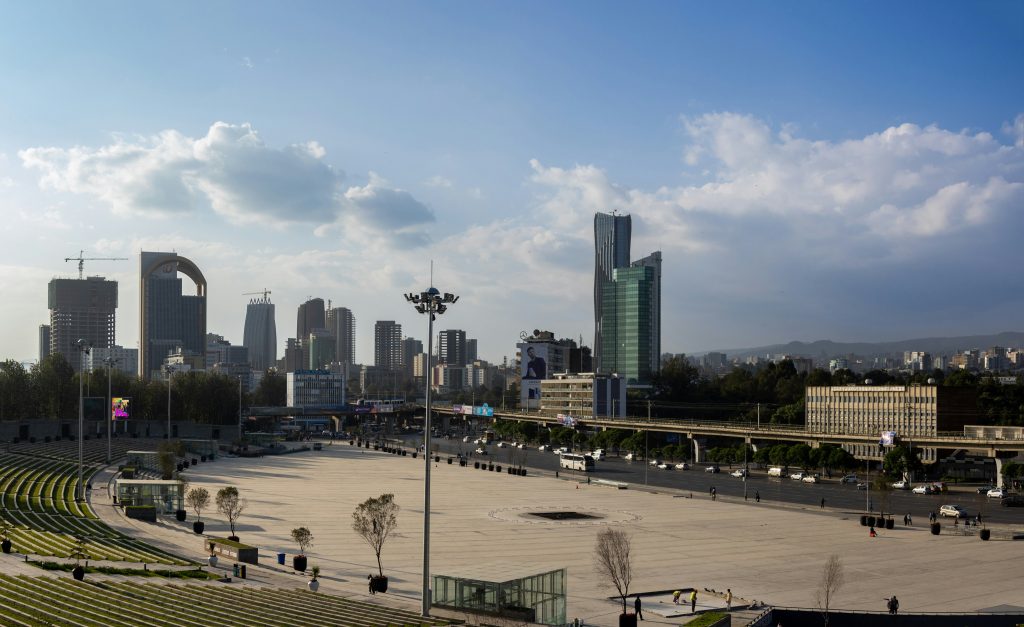
On April 15–16, 2026, the African Council of Religious Leaders (ACRL) and Religions for Peace (RfP) jointly convened a meeting in Addis Ababa entitled “Expanding Religious Freedom Through Self-Regulation: Situational Analysis and Stakeholder Mapping in Preparation for the Continental Interfaith Convening on FoRB and Civic Space in Africa.” The convening drew representatives of interreligious councils from across the continent — including from Sierra Leone, Uganda, Kenya, Nigeria, Zambia, and the newly established council in Rwanda — and was led by Dr. Francis Kuria, General Secretary of Religions for Peace and a key leader within ACRL. W. Cole Durham, Jr., President of the G20 Interfaith Forum and founding director of the International Center for Law and Religion Studies at Brigham Young University Law School, attended on behalf of IF20 and contributed to planning for the broader Continental Interfaith Convening that the meeting was preparing the ground for. This summary draws on his reflections.
Dr. Francis Kuria
The convening was conducted by Dr. Francis Kuria, who opened with a session on the structural foundations of effective interreligious councils (IRCs). He addressed governance and leadership, membership criteria, legal status and institutional positioning, and accountability and transparency mechanisms. The meeting went a long way toward advancing ACRL’s mission of “mobilizing religious leaders and their communities to build peaceful, just, hopeful and harmonious societies in Africa.”
Throughout the discussion, Dr. Kuria returned repeatedly to the importance of unity. Individual faith communities, he observed, are not always strong candidates for IRC membership on their own. He emphasized the value of building partnerships with electoral commissions, parliaments, and funding agencies, and the need for leadership that is both visible and transparent.
“Hunting together is better than hunting as one.”
He also led a candid conversation about a tension at the heart of the IRC model. Because these councils inevitably bring together a country’s dominant religions, there is a real risk that the religious freedom of minority and non-dominant groups can be sidelined. Every IRC, he and others stressed, must work deliberately to ensure that the religious freedom of all communities — not only the largest — is safeguarded. The opportunities for IRCs to influence the African Union, the AU Interfaith Forum, ECOWAS, and similar regional bodies were highlighted alongside this concern.
National Models: Sierra Leone, Uganda, and Kenya
Three prominent national IRCs shared their experience at a practical level so that others could draw lessons from their work. Thirty-four African countries currently have interreligious councils, operating at varying levels of organizational strength and extending from national down to local structures.
Sierra Leone’s IRC emerged against the backdrop of eleven years of civil war, from 1991 to 2002. Christian and Muslim faith actors played a central role in peace building, and the IRC itself was formally established in April 1997 — at the height of the war. Its early objectives were three: to promote dialogue between communities, to mobilize moral authority, and to play a humanitarian and reconciliatory role. The body is now governed by a triannual conference of fourteen umbrella organizations — six Christian and eight Muslim — and requires that a woman hold one of its top leadership positions. Four factors were credited with the council’s success: traditional tolerance among religions, the moral legitimacy of trusted religious leaders, cultural conditions conducive to dialogue, and the government’s willingness to rely on the IRC. Financial challenges persist, but the case for faith actors as mediators — and as designers of faith-based peace-building models — has only grown stronger.
Uganda’s IRC was likewise convened with the help of Religions for Peace and immediately took up two daunting tasks: confronting the Lord’s Resistance Army and combating AIDS. Its presidents serve as a national moral authority, working closely with the country’s president, prime minister, and ambassadors, and meeting with the head of state quarterly. Leadership rotates with a maximum of two three-year terms, and the council’s local presence is impressive: 146 districts, each with nine designated members. Creative fundraising — forestry planting, a poultry farm, a youth steering center, and support from various denominations — has helped sustain the work, with developing partnership with government identified as a key ingredient.
Kenya’s IRC, founded in 1983 with an initial focus on HIV and conflicts, was formally registered in 2005. It brings together nine member bodies — Christian, Muslim, and Hindu — and organizes its work around defined thematic areas. Peacemaking is a major focus, particularly during and after elections. The experiences of other countries, including Nigeria and Zambia, were also shared.
Cross-Cutting Themes
Several themes emerged across the country-level presentations. Legal entity status was identified as critical to an IRC’s credibility in public affairs. ACRL’s emphasis on peace building, conflict transformation, and counter-hate-speech work was noted as having been important in several parts of Africa. The practical challenges of including minority groups — and of bringing indigenous and traditional religions into interfaith space — were openly discussed, along with the conviction that such challenges can be overcome.
Toward a Continental Convening
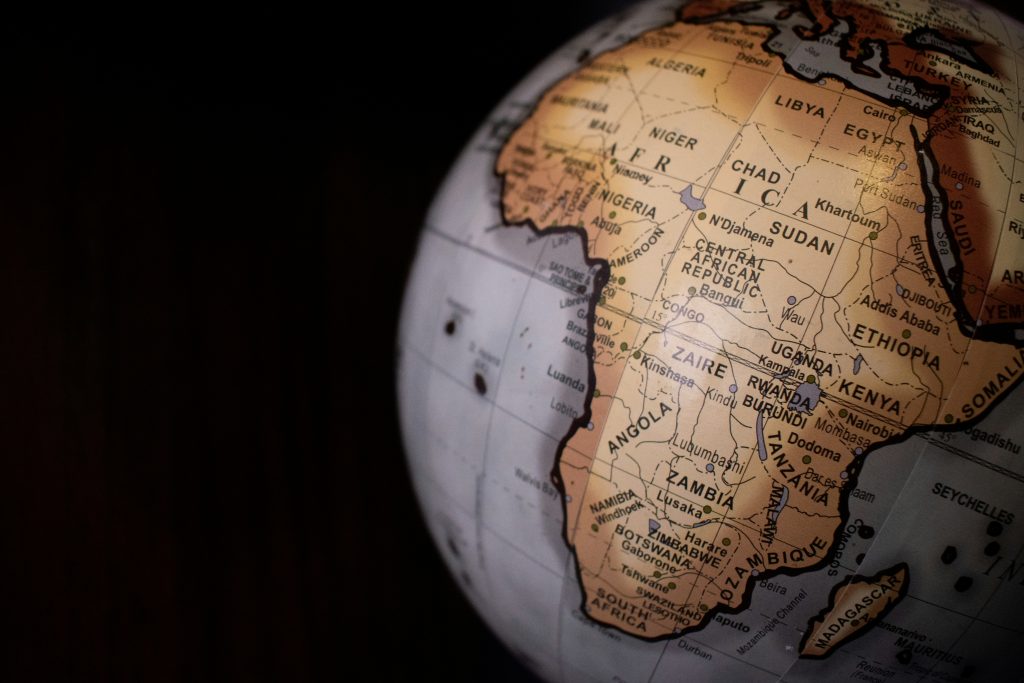
A substantial portion of the meeting was devoted to planning the Africa-wide convening currently envisioned for August or September. Several practical questions framed the discussion. Should countries beyond the thirty-four with existing IRCs be invited? The initial target is roughly ninety participants — what percentage should be friends and partners rather than IRC members themselves? Should the outcome be a declaration, or a plan of action?
The clear primary objective is to share experience. Beyond that, participants noted the value of developing a charter or model for self-regulation; surfacing the growing body of empirical evidence that demonstrates the value of religious freedom; and drawing on South Africa’s experience with its religious charter and self-regulation frameworks. Addressing violence committed in the name of religion will be another major focus. Toward the end of the meeting, the conversation turned to translating analysis into strategy — identifying priority themes, advocacy objectives, and policy outcomes.
Overall, the convening deepened participants’ understanding of the structure, the actual and potential roles, and the possible areas of impact of IRCs, and pointed to practical ways of moving the work forward.
Reflections from W. Cole Durham, Jr.
Reflecting on the convening, Cole Durham emphasized the strategic significance of Africa’s interreligious councils as the African Union’s role in global governance continues to develop. IF20 played a role in recommending that the AU become a formal member of the G20, and IF20 leaders continue to engage with the AU as that relationship takes shape.
“The proliferation of interreligious councils across Africa is a real asset — an institutional link that can strengthen partnerships between religious voices and political processes.”
Africa has vast potential accompanied by significant challenges, Durham noted, and the G20 offers a structure that allows meaningful interaction between the continent and the world’s major economic powers. The AU’s potential in this context needs continued cultivation, and upcoming Pan-African meetings will provide important occasions to push that work forward.
– – –
Cole Durham, Jr. is the President of the G20 Interfaith Forum Association and founding director of the International Center for Law and Religion Studies at Brigham Young University Law School. He is among the world’s leading scholars of comparative law and religion, with particular focus on freedom of religion or belief (FoRB) and the legal and institutional frameworks that shape relations between states and religious communities. His work has long emphasized the constitutional and institutional conditions under which religious communities can contribute constructively to public life — themes that run throughout his reflections on this trip. He travels widely to convene and participate in dialogue at the intersection of faith and policy, including, as this piece reflects, with religious leaders, interreligious councils, and policymakers across Africa.
JoAnne Wadsworth is the Communications Consultant for the G20 Interfaith Forum (IF20) and acting editor of the Viewpoints blog.