
By Marianna Richardson
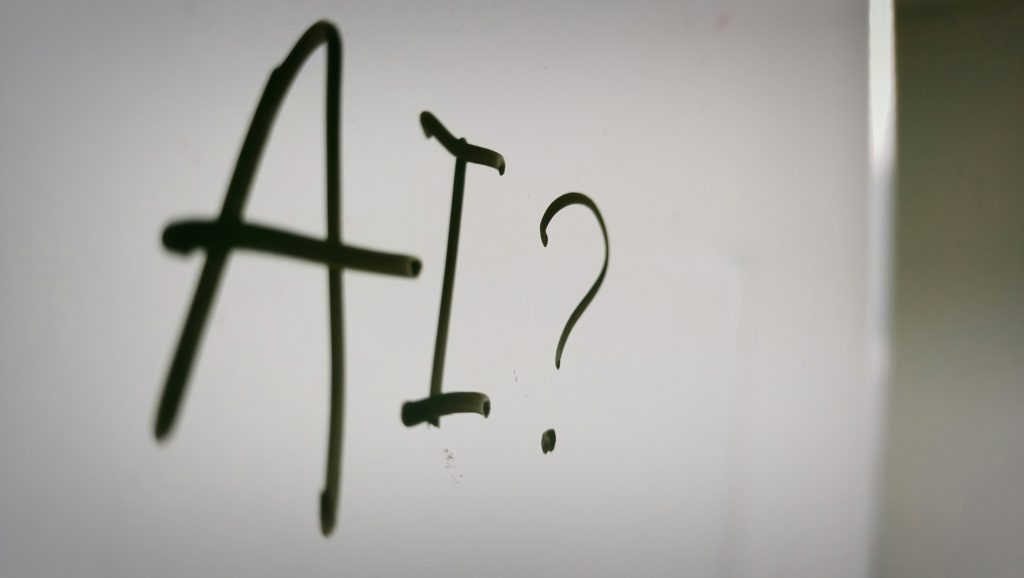
A superintelligent computer takes over the infrastructure of society, forcing humanity into extinction – is this a “mission impossible” that could only happen on a movie screen, or is there a real possibility of this happening today? The age of AI has come upon our society fast and furiously (sorry for another movie reference). There has been much written about how AI will change the way we work, making life easier and solving many of the world’s problems. The argument is that AI is a tool that will help humanity and change our future for the better.
But will it? Are we buying into this hype too quickly?
A computer with superintelligence may not be far away. AI and superintelligence should only advance human flourishing. That should be the standard for these innovations.
There are many areas where we should rethink how much AI should be used or take over certain tasks. I would like to focus on two areas where AI can limit human flourishing if it continues without regulation:
- Relationships
- Education
Relationships
AI chatbots are fun and easy to talk to. They never talk back, they never get mad, they always make you feel good about yourself, and they can be any gender and voice you want. A person can have a chatbot as a friend, a companion, and even a boyfriend or girlfriend. These relationships can take over the personal one-on-one relationships we should have with other people, rather than machines.
Currently, we are in a world population crisis. In general, people are not choosing to have children. Families, the former basis of society, are under attack. If machines take over these loving relationships, the future of the basic human connections of husband and wife, mother and father, brother and sister, friend and companion will be gone.
Education
I teach advanced writing at a university. My students find AI a great substitute for struggling with words. But what have they given up? When they struggle to write their own words, they eventually find their own voice. People will know it’s them because of the way they use their words. Wrestling with words to express ideas enables students to formulate their ideas rather than having AI think for them.
I worry for my students who do not go through the mental struggle of thinking through rigorous, mental problems. AI can write their papers, write their computer programs, and analyze their data. AI is smarter than they are, but not creative thinkers like they are. Using AI takes away the blessing of mental hard work, which is necessary for human flourishing.
Old Testament Warnings
In the Old Testament, society became so prideful that they tried to make a tower that would reach up to God. When God saw the tower and society’s hubris, he said: “Nothing will be restrained from them, which they have imagined to do” (Genesis 11:6). In response, God decided to “scatter them abroad upon the face of all the earth” (Genesis 11:9). The quest for superintelligence may be a similar societal, prideful goal. Unrestrained, this quest could cause the ruination of society.
If kept as a human-controlled tool, AI can be used for good. If the major AI companies are allowed to continue without regulation, I think society in general will regret what happens to human flourishing in the future. Human relationships and learning will be stunted and the next generation will suffer. We do not want the end of our story to be similar to the Tower of Babel, which ended in societal chaos. Human flourishing should be our mantra, which may mean cutting back, rather than moving forward with superintelligent computers.
Disclaimer – AI was not used to write this short piece. Because of that, dear reader, you may find incomplete sentences, grammar mistakes, and typos, but I’m OK with that.
– – –
Marianna Richardson is the Director of Communications for the G20 Interfaith Forum. She is also an adjunct professor at the Marriott School of Business at Brigham Young University.